nature, earth, environment, science, Technical knowledge, Technology

पृथ्वी से भी पुराना है सहारा रेगिस्तान में मिला उल्कापिंड, क्या हैं इसके मायने

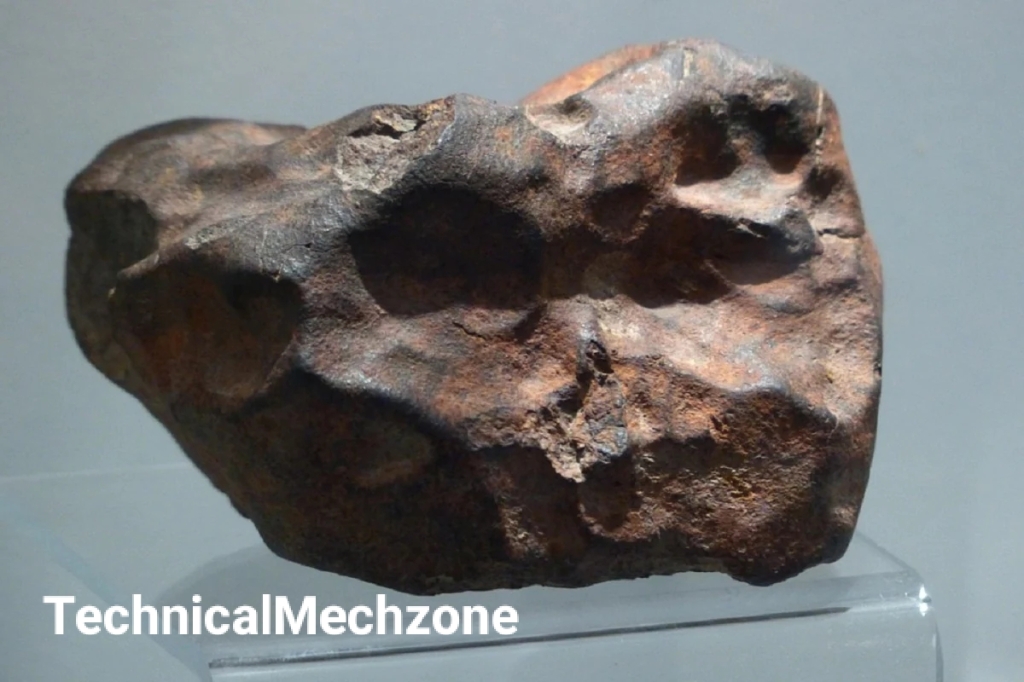
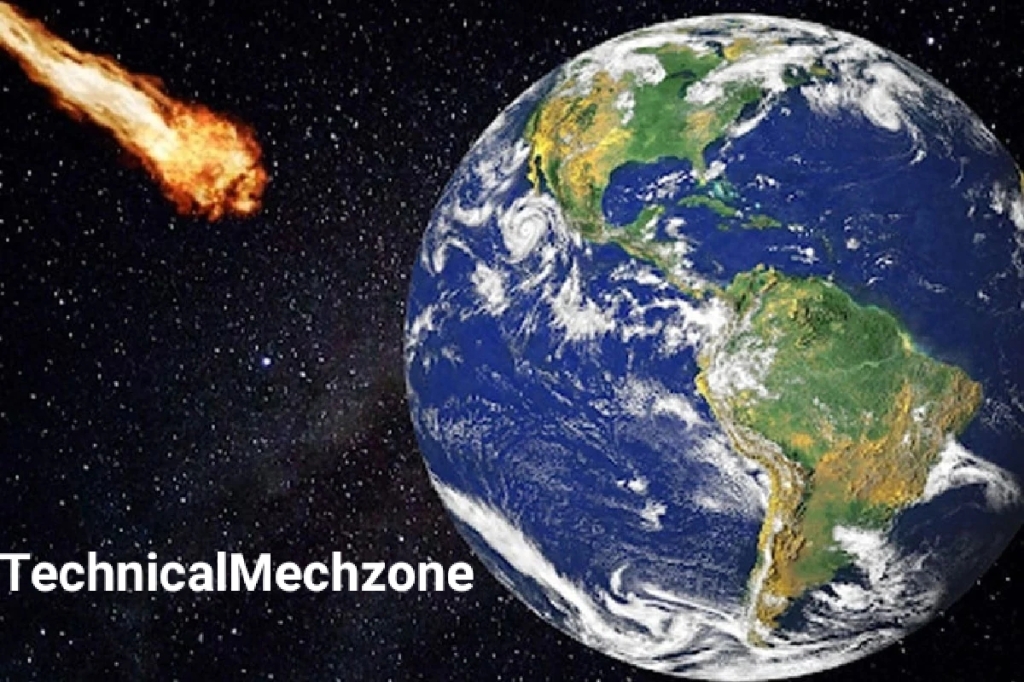
अफ्रीका (Afrcia) के सहारा रेगिस्तान (Sahara Desert) में एक उल्कापिंड (Meteroite) मिला है जो पृथ्वी (Earth) के बनने से पहले बना था. इससे सौरमंडल में ग्रह निर्माण की प्रक्रिया के बारे में पता चल सकता है.उल्कापिंड (Meteorite) के बारे में कहा जाता है कि वह उस समय के होते हैं जब हमारे सौरमंडल (Solar System) में पृथ्वी (Earth) जैसे ग्रहों का निर्माण हो रहा था. लेकिन शोधकर्ताओं ने अफ्रीका के सहारा रेगिस्तान (Sahara Desert) में एक उल्कापिंड की चट्टान का टुकड़ा खोजा है जो पृथ्वी से भी पुराना बताया जा रहा है. यह पत्थर एक ऐसे ग्रह का माना जा रहा जिसका निर्माण शुरू ही हुआ था और तक तक पृथ्वी अपने अस्तित्व में भी नहीं आई थी

क्या खास है इस उल्कापिंड में :इस उल्कापिंड को Erg Chech 002 या EC 002 नाम दिया गया है. शोधकर्ताओं के अनुसार यह एक पुरातन प्रोटोप्लैनेट की पर्पटी के अंदर बना था. प्रोटोप्लैनेट ग्रहों के मूल रचना खंड होते हैं. शोधकर्ताओं का कहना है कि यह अब तक का सबसे पुराना ज्ञात लावा है जो पृथ्वी पर गिरा है. इसका अध्ययन करने से हमारे सौरमंडल के शुरुआती समय में ग्रहों की निर्माण के बारे में जानकारी मिल सकती है.

कहां मिला है यह उल्कापिंड
यह पत्थर अफ्रीका के अलजीरिया के अर्ग चेच ड्यून सागर में मिला था और उसकी आधार पर उसे नाम दिया गया है. वास्तव में यह बहुत सारे उल्कापिंडों से बना है और उसका वजन 70 पाउंड यानि करीब 32 किलो का है. शोधकर्ताओं ने इसका विश्लेषण कर पाया है कि पर्पटी का यह टुकड़ा लावा की तरह पिघला हुआ था और उसके बाद क्रिस्टलीकरण होकर वह ठोस बन गया.

कितना पुराना
इस पत्थर के मैग्नीशियम और एल्यूमीनियम आइसोटोप्स के अध्ययन से पता चला है कि यह 4.566 अरब साल पुराना है जो अभी तक पाया गया सबसे पुराना आग्नेय शैल है. इससे पहले आग्नेय शैल वाला उल्कापिंड NWA11119 था जो EC002से 12.4 लाख साल छोटा है. पृथ्वी ईन पत्थरों से कई लाख सालों के बाद अस्तित्व में आई थी.
किससे बना है यह उल्कापिंड
यह उल्कापिंड में 58 प्रतिशत सिलिकॉन डाइऑक्साइड है जिससे पता चलता है कि पुराने पिंड के एंडेसाइट चट्टान की पर्पटी से बनी है. यह पृथ्वी के ज्वालामुखी इलाकों में पाई जाने वाली बेसाल्ट चट्टान से काफी अलग है. यह पभी पता चला है कि ऐसी पर्पटी हमारे सौरमंडल के शुरुआती समय में क्षुद्रग्रह और प्रोटोप्लैनेट में पाई जाती थी और आज यह बहुत ही कम पाई जाती है.

Join my telegram:@Technicalmechzone

बहुत ही ज्यादा अलग

प्रोसिडिसिंग्स ऑफ द नेशनल एकेडमी ऑफ साइंसेस में प्रकाशित इस अध्ययन की प्रमुख लेखिका और फ्रांस की वेस्टर्न ब्रिटैनी यूनिवर्सिटी में जियोकैमिस्ट्री की प्रोफेसरजीन एलिक्स बैरेट कहती हैं कि EC 002 दूसरे क्षुद्रग्रह समूहों से स्पष्ट तौर पर अलग है. किसी भी पिंड की स्पैक्ट्रल विशेषताएं इससे अभी तक कहीं भी मेल नहीं खाती नहीं दिखी हैं.
कम क्यों दिखते हैं ऐसे पिंड
बैरेट का दावा है कि पुरातन पर्पटी के अवशेष उल्कापिंड केरिकॉर्ड में न केवल बहुत ही कम पाए गए हैं, बल्कि ये आज के क्षुद्रग्रह की पट्टी में भी बहुत ही कम हैं. इससे यह संकेत मिलता है कि सौरमंडल के शुरुआती प्रोटोप्लैनेट और उनकी ज्यादातर टुकड़े या तो निश्चित तौर पर खत्म हो गए था. या फिर बढ़ते पथरीले ग्रहों से जुड़ते गए थे. यही वजह रही होगी पुरातन पर्पटी से निकलने वाले इस तरह के उल्कापिंड अपवाद की तरह दिख रहे हैं.माना जा रहा है कि EC 002 अपने मूल प्रोटोप्लैनेट की पर्पटी के ठंडे होने और क्रिटलीकरण होने के दशकों बाद निकला होगा जिससे वह उस समय के ग्रहों के क्रोड़ के विकास की जानकारी दे रहा है जब हमारी पृथ्वी अस्तित्व में ही नहीं थी.

Posted by Technical Mechzone

science, Technical knowledge

हमसे बेहतर था आदिमानव

गुफाओं में रहने वाले आदिमानव आखिर कैसे थे. आधुनिक विज्ञान के लिए यह सवाल आज भी पहेली है. पर इस बारे में खोज कर रहे वैज्ञानिकों का कहना है कि बीस लाख साल पहले धरती पर रहने वाले लोग हमसे अच्छी खुराक लेते थे.

लंबे वक्त तक यह माना जाता रहा कि गुफा में रहने वाले मानव सिर्फ मांस खाते थे. लेकिन अब यह भ्रम साबित हो रहा है. वैज्ञानिकों का कहना है कि पाषाण युग के इंसान फल, जड़ें, फलों के गूदे और मांस खाते थे. वैज्ञानिकों की एक रिसर्च टीम कहती है कि अगर गुफा मानव की खुराक का हिसाब मिल जाए, तो 21वीं सदी के इंसान की कई तकलीफें दूर हो जाएंगी. पौष्टिकता के आधार पर आहार और डाइट की सही पहचान हो सकेगी.

25 लाख साल पहले से लेकर 12,000 साल पहले के इस दौर में न आलू था, न ब्रेड थी. दूध का भी अता पता नहीं था. आज इन्हें मुख्य आहार माना जाता है. कृषि की शुरुआत को गुफा मानव के युग के बाद आज से करीब 10 हजार साल पहले हुई. ऐसे में यह सवाल उठ रहा है कि किसकी डाइट बेहतर है. आदम इंसान की या हमारी. शरीर, कद काठी, शारीरिक और मानसिक स्वास्थ्य इशारा करता है कि गुफा में रहने वाले हमसे ज्यादा सेहतमंद थे.

यूनीलीवर कंपनी के लिए शोध की अगुवाई कर रहे वैज्ञानिक डॉक्टर मार्क बेरी कहते हैं कि उनका उद्देश्य आज के लोगों के लिए सेहतमंद खुराक तैयार करना है. वह कहते हैं, “पाषाण युग के आहार में कई तरह के पौधे शामिल थे. आज हम एक दिन ज्यादा से ज्यादा एक सब्जी या पांच फल खा लेते हैं. वे लोग एक दिन में 20 से 25 प्रकार की साग सब्जी खाया करते थे.”


आज हम फसलें उगाते हैं और वह हमारे भोजन का अहम हिस्सा हैं. वहीं शताब्दियों पुराने इंसान कम कार्बोहाइड्रेट, कम वसा वाला खाना खाते थे. वह ज्यादा से ज्यादा साग सब्जियां खाते थे. अब सवाल उठता है कि स्वस्थ्य आहार कौन सा है. लंदन यूनिवर्सिटी में वंशानुगत बदलावों के प्रोफेसर मार्क थोमस कहते हैं कि गुफा मानव की डाइट ज्यादा बेहतर थी. पुराने शोध बताते हैं कि पत्थरों के सहारे अपनी रक्षा करने वाले गुफा मानवों को आहार की अधिकता संबंधी बीमारियां बहुत कम होती थी. उन्हें दो तरह की डायबिटीज नहीं थी, मोटापे का तो अता पता ही नहीं था. वैज्ञानिक दूध का उदाहरण देते हैं.


मार्क थोमास कहते हैं, “धीरे धीरे डाइट में कई बदलाव हुए. कई चीजें नई आई और कई गुम हो गई. दूध का ही उदाहरण ले लीजिए. 10 हजार
हमसे बेहतर था आदिमानव का खानपान

गुफाओं में रहने वाले आदिमानव आखिर कैसे थे. आधुनिक विज्ञान के लिए यह सवाल आज भी पहेली है. पर इस बारे में खोज कर रहे वैज्ञानिकों का कहना है कि बीस लाख साल पहले धरती पर रहने वाले लोग हमसे अच्छी खुराक लेते थे.
लंबे वक्त तक यह माना जाता रहा कि गुफा में रहने वाले मानव सिर्फ मांस खाते थे. लेकिन अब यह भ्रम साबित हो रहा है. वैज्ञानिकों का कहना है कि पाषाण युग के इंसान फल, जड़ें, फलों के गूदे और मांस खाते थे. वैज्ञानिकों की एक रिसर्च टीम कहती है कि अगर गुफा मानव की खुराक का हिसाब मिल जाए, तो 21वीं सदी के इंसान की कई तकलीफें दूर हो जाएंगी. पौष्टिकता के आधार पर आहार और डाइट की सही पहचान हो सकेगी.


खाते जाओ खाते जाओ
25 लाख साल पहले से लेकर 12,000 साल पहले के इस दौर में न आलू था, न ब्रेड थी. दूध का भी अता पता नहीं था. आज इन्हें मुख्य आहार माना जाता है. कृषि की शुरुआत को गुफा मानव के युग के बाद आज से करीब 10 हजार साल पहले हुई. ऐसे में यह सवाल उठ रहा है कि किसकी डाइट बेहतर है. आदम इंसान की या हमारी. शरीर, कद काठी, शारीरिक और मानसिक स्वास्थ्य इशारा करता है कि गुफा में रहने वाले हमसे ज्यादा सेहतमंद थे.


यूनीलीवर कंपनी के लिए शोध की अगुवाई कर रहे वैज्ञानिक डॉक्टर मार्क बेरी कहते हैं कि उनका उद्देश्य आज के लोगों के लिए सेहतमंद खुराक तैयार करना है. वह कहते हैं, “पाषाण युग के आहार में कई तरह के पौधे शामिल थे. आज हम एक दिन ज्यादा से ज्यादा एक सब्जी या पांच फल खा लेते हैं. वे लोग एक दिन में 20 से 25 प्रकार की साग सब्जी खाया करते थे.”


आज हम फसलें उगाते हैं और वह हमारे भोजन का अहम हिस्सा हैं. वहीं शताब्दियों पुराने इंसान कम कार्बोहाइड्रेट, कम वसा वाला खाना खाते थे. वह ज्यादा से ज्यादा साग सब्जियां खाते थे. अब सवाल उठता है कि स्वस्थ्य आहार कौन सा है. लंदन यूनिवर्सिटी में वंशानुगत बदलावों के प्रोफेसर मार्क थोमस कहते हैं कि गुफा मानव की डाइट ज्यादा बेहतर थी. पुराने शोध बताते हैं कि पत्थरों के सहारे अपनी रक्षा करने वाले गुफा मानवों को आहार की अधिकता संबंधी बीमारियां बहुत कम होती थी. उन्हें दो तरह की डायबिटीज नहीं थी, मोटापे का तो अता पता ही नहीं था. वैज्ञानिक दूध का उदाहरण देते हैं.

मार्क थोमास कहते हैं, “धीरे धीरे डाइट में कई बदलाव हुए. कई चीजें नई आई और कई गुम हो गई. दूध का ही उदाहरण ले लीजिए. 10 हजार


आजकल ऐसे खाते पीते लोगों की कमी नहीं
साल पहले इंसान ने दूध खोजा. पहले हम दूध को पचा नहीं पाते थे. लेकिन अब यह चीज आदत में ढल गई है. अब हम 100 फीसदी दूध या उससे बनी चीजें खाने पीने लगे हैं.” वैज्ञानिकों के मुताबिक आदिमानव जिस तरह की साग सब्जियां खाते थे, उससे हमारा खाना एक दम अलग हो चुका है. आहार संबंधी मामलों की एक और विशेषज्ञ प्रोफेसर मोनिक सिमंड्स कहती हैं, “कृषि के विकास का मॉडल पैसा कमाने पर आधारित है. पौष्टिक आहार पैदा करने के बजाय अब ऐसी फसलों की पैदावार की जा रही है जिनका अंतरराष्ट्रीय बाजार है…गेहूं इसकी का उदाहरण है.”


इस बात पर वैज्ञानिक एक मत हैं कि मौजूदा दौर में इंसान अनाज पर ज्यादा निर्भर हो गया है. अनाज की कई किस्में बाजार हैं. लेकिन शोधकर्ताओं को अफसोस है कि असली पौधे और उसके गुण इस बदलाव की भेंट चढ़ रहे हैं. शोध करने वालों का सुझाव है कि लोगों को चीनी और अति कार्बोहाइट्रेट वाले आहार से बचना चाहिए. उनकी जगह ऐसी चीजों का इस्तेमाल करना चाहिए जिन्हें अनदेखा किया जा रहा है.


धीरे धीरे यह बात साफ होने लगी है कि खाने पीने की इन बदली आदतों ने कई नई और घातक बीमारियों को भी जन्म दिया है. यह भी एक वजह है कि आज का इंसान अपने पूर्वजों की तुलना में शारीरिक रुप से कमजोर हो चुका है. इसका प्रमाण देने के लिए कुछ वैज्ञानिक आदिवासियों का अध्ययन कर रहे हैं. अब भी पुराने तरीके से रहे रहे दुनिया भर के कई कबीलों में आंख, दांत, गले, दिल और फेफड़े की बीमारियां न के बराबर हैं. उनके अध्ययन के आधार पर कहा जा रहा है कि हमें गाजर, अंडे, चिकन, रसीले फल, बादाम, मूली, शलजम और अखरोट जैसी चीजें ज्यादा खानी चाहिए. शुरुआत में हमारे पाचन तंत्र को एक बदलाव से गुजरना होगा, लेकिन देर सबेर इस आहार का अच्छा असर सेहत पर पड़ने लगेगा.

science, Technical knowledge, Technology

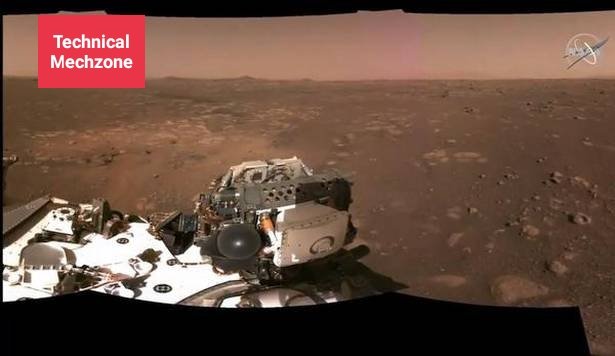
NASA releases first audio from Mars, video of Perseverance rover landing

Justin Maki, NASA Perservere imaging scientist and instrument operations team chief, reveals a full panorama the rover captured from the surface of Mars

The video clip showed the deployment of the parachute and the rover’s touchdown on the surface of the Red Planet

The U.S. space agency NASA on Monday released the first audio from Mars, a faint crackling recording of a gust of wind captured by the Perseverance rover

NASA also released the first video of last week’s landing of the rover, which is on a mission to search for signs of past life on the Red Planet.

A microphone did not work during the rover’s descent to the surface, but it was able to capture audio once it landed on Mars.

NASA engineers played a 60-second recording

What you hear there 10 seconds in is an actual wind gust on the surface of Mars picked up by the microphone and sent back to us here on Earth,” said Dave Gruel, lead engineer for the camera and microphone system on Perseverance.

The high-definition video clip, lasting three minutes and 25 seconds, shows the deployment of a red-and-white parachute with a 70.5-foot-wide (21.5-meter-wide) canopy.

It shows the heat shield dropping away after protecting Perseverance during its entry into the Martian atmosphere and the rover’s touchdown in a cloud of dust in the Jezero Crater just north of the Red Planet’s equator.

“This is the first time we’ve ever been able to capture an event like the landing on Mars,” said Michael Watkins, director of NASA’s Jet Propulsion Laboratory, which is managing the mission.

“These are really amazing videos,” Mr. Watkins said. “We binge-watched them all weekend.”

Thomas Zurbuchen, NASA’s associate administrator for science, said the video of Perseverance’s descent is “the closest you can get to landing on Mars without putting on a pressure suit.”

Perseverance is healthy’
Jessica Samuels, Perseverance’s surface mission manager, said the rover was operating as expected so far and engineers were conducting an intensive check of its systems and instruments.


“I am happy to report that Perseverance is healthy and is continuing with activities as we have been planning them,” Ms. Samuels said.

She said the team was preparing for a flight by the rover’s small helicopter drone dubbed Ingenuity.

“The team is still evaluating,” she said. “We have not locked in a site yet.”

Ingenuity will attempt the first powered flight on another planet and will have to achieve lift in an atmosphere that is just one percent the density of Earth’s.


Perseverance was launched on July 30, 2020 and landed on the surface of Mars on Thursday.

Its prime mission will last just over two years but it is likely to remain operational well beyond that. Its predecessor Curiosity is still functioning eight years after landing on Mars.

Over the coming years, Perseverance will attempt to collect 30 rock and soil samples in sealed tubes to be sent back to Earth sometime in the 2030s for lab analysis.


About the size of an SUV, the craft weighs a ton, is equipped with a seven-foot-long robotic arm, has 19 cameras, two microphones and a suite of cutting-edge instruments.

Mars was warmer and wetter in its distant past, and while previous exploration has determined the planet was habitable, Perseverance is tasked with determining whether it was actually inhabited.

It will begin drilling its first samples in summer, and along the way it will deploy new instruments to scan for organic matter, map chemical composition and zap rocks with a laser to study the vapor.


One experiment involves an instrument that can convert oxygen from Mars’ primarily carbon dioxide atmosphere, much like a plant.

The idea is that humans eventually won’t need to carry their own oxygen on hypothetical future trips, which is crucial for rocket fuel as well as for breathing.


The rover is only the fifth to set its wheels down on Mars. The feat was first accomplished in 1997, and all of them have been American.


The United States is preparing for an eventual human mission to the planet, though planning remains very preliminary.

Posted by Technical Mechzone

nature, earth, environment, science, Technical knowledge, Technical knowledge

NASA’s Perseverance rover makes historic Mars landing

The first image sent by NASA’s Perseverance rover upon touching down on Mars shows its shadow upon the Red Planet’s surface, at the Jezero crater.


The rover will begin its search for traces of ancient microbial life on Mars

NASA’s science rover Perseverance, the most advanced astrobiology laboratory ever sent to another world, streaked through the Martian atmosphere on Thursday and landed safely on the floor of a vast crater, its first stop on a search for traces of ancient microbial life on the Red Planet.


Mission managers at NASA’s Jet Propulsion Laboratory near Los Angeles burst into applause and cheers as radio signals confirmed that the six-wheeled rover had survived its perilous descent and arrived within its target zone inside Jezero Crater, site of a long-vanished Martian lake bed.


The robotic vehicle sailed through space for nearly seven months, covering 293 million miles (472 million km) before piercing the Martian atmosphere at 12,000 miles per hour (19,000 km per hour) to begin its approach to touchdown on the planet’s surface.


The spacecraft’s self-guided descent and landing during a complex series of maneuvers that NASA dubbed “the seven minutes of terror” stands as the most elaborate and challenging feat in the annals of robotic spaceflight.


“It really is the beginning of a new era,” NASA’s associate administrator for science, Thomas Zurbuchen, said earlier in the day during NASA’s webcast of the event.


The landing represented the riskiest part of two-year, $2.7 billion endeavor whose primary aim is to search for possible fossilized signs of microbes that may have flourished on Mars some 3 billion years ago, when the fourth planet from the sun was warmer, wetter and potentially hospitable to life.


Scientists hope to find biosignatures embedded in samples of ancient sediments that Perseverance is designed to extract from Martian rock for future analysis back on Earth – the first such specimens ever collected by humankind from another planet.


Two subsequent Mars missions are planned to retrieve the samples and return them to NASA in the next decade.


Thursday’s landing came as a triumph for a pandemic-weary United States in the grips of economic dislocation caused by the COVID-19 public health crisis.


Search for ancient life
NASA scientists have described Perseverance as the most ambitious of nearly 20 U.S. missions to Mars dating back to the Mariner spacecraft’s 1965 fly-by.


Larger and packed with more instruments than the four Mars rovers preceding it, Perseverance is set to build on previous findings that liquid water once flowed on the Martian surface and that carbon and other minerals altered by water and considered precurors to the evolution of life were present.


Perseverance’s payload also includes demonstration projects that could help pave the way for eventual human exploration of Mars, including a device to convert the carbon dioxide in the Martian atmosphere into pure oxygen.


The box-shaped tool, the first built to extract a natural resource of direct use to humans from an extraterrestrial environment, could prove invaluable for future human life support on Mars and for producing rocket propellant to fly astronauts home.


Another experimental prototype carried by Perseverance is a miniature helicopter designed to test the first powered, controlled flight of an aircraft on another planet. If successful, the 4-pound (1.8-kg) helicopter could lead to low-altitude aerial surveillance of distant worlds, officials said.


The daredevil nature of the rover’s descent to the Martian surface, at a site that NASA described as both tantalizing to scientists and especially hazardous for landing, was a momentous achievement in itself.


The multi-stage spacecraft carrying the rover soared into the top of Martian atmosphere at nearly 16 times the speed of sound on Earth, angled to produce aerodynamic lift while jet thrusters adjusted its trajectory.


A jarring, supersonic parachute inflation further slowed the descent, giving way to deployment of a rocket-powered “sky crane” vehicle that flew to a safe landing spot, lowered the rover on tethers, then flew off to crash a safe distance away.


Perseverance’s immediate predecessor, the rover Curiosity, landed in 2012 and remains in operation, as does the stationary lander InSight, which arrived in 2018 to study the deep interior of Mars.


Last week, separate probes launched by the United Arab Emirates and China reached Martian orbit. NASA has three Mars satellites still in orbit, along with two from the European Space Agency.

Posted by Technical Mechzone

science, Technical knowledge, Uncategorized

Dwarp Pluto planet

प्लूटो एक बौना ग्रह है जिसकी खोज 1930 में क्लाइड टॉमबो नाम के वैज्ञानिक ने की थी। यह बौना ग्रह भी अन्य ग्रहों की तरह ही सूर्य की परिक्रमा करता है। लेकिन यह आकार में बहुत छोटा है। इसकी खोज आज ही के दिन यानी 18 फरवरी को हुई थी।

nature, earth, environment, science, Technical knowledge, Technology

There is a way to go to the black hole, but it is not possible to come back ‘!!!!!!!!!!!!!!

Two physicists have figured out the conditions necessary to enter the black hole. Black holes are so mysterious that scientists are very keen to know about them. Scientists say that going to a black hole would be a one-way trip, because if the light could also come out from the black hole, then it is useless to predict the possibility of a human coming out. Small black holes do not rotate and the radius of their event horizon is very low. This is the place, after which nothing comes back.

An event horizon means that the event horizon is a boundary beyond which the events beyond it cannot have any effect on the universe outside its boundary, nor can any person sitting outside its boundary know what is beyond the boundary. Used to be.

Here the effect of gravity is very high. Apart from this, the radius of the event horizon of the second massive black hole is 7.3 lakh miles. There is a difference of thousands of billion times in gravity between the center of both and the event horizon. If a star-related object crosses the black hole’s event horizon, it undergoes a process of sphagatification.
Sphagetification is the process by which (in some theories) an object falling into a black hole will be separated or ripped off by gravitational forces. In this, every molecule of its body is pulled by a long strand. This happens because the gravity at one point in space time is much higher than the other point. When this happens, it is impossible to survive in a black hole.

However, if a person falls into a massive black hole, he will be in freefall and there will not be spaghettification. The reason behind this is that the distance between the black hole from the event horizon is much more.

Posted by Technical Mechzone

science

Dark matter not ‘super heavy’ or ‘super light’: In a first, scientists calculate its mass range

(Quantum gravity, a combination of Einstein’s concepts of quantum physics and general relativity, was used in the research)

Around 95 percent of the Universe is unknown to human beings. It is often referred to as dark which has nothing to do with the colour of any substance but to do with the unknown nature of cosmic entities known as dark matter and dark energy.

Now, scientists from the University of Sussex have found a new way to know more about dark matter. They have narrowed down the range of masses within which particles that could make up dark matter may lie in. The range they have established — 10^-3 electron-volts to 10^7 electron-volts — is far smaller than the earlier known range of 10^-24 electron-volt to 10^19 giga electron-volt.

Xavier Calmet and his colleague Folkert Kuipers carried out the research using quantum gravity, a field of study that tries to combine two of Einstein’s concepts — quantum physics and general relativity theory of gravity. “This is the first time anyone has thought of using what we know about quantum gravity to calculate the mass range for dark matter.

We were surprised when we realised no one had done it before, as were the fellow scientists reviewing our paper,” Calmet told Science Alert. Calmet and Kuipers’ research shows that the dark matter particles can neither be super light nor super heavy unless there is a force acting on it that is yet unknown.

The research might also help in finding out more about this mysterious force. There are currently four known forces in the Universe — gravitational, electromagnetic, weak and strong. Scientists estimate that roughly 68 per cent of the Universe is made up of dark energy which is responsible for the accelerated expansion of the Universe.

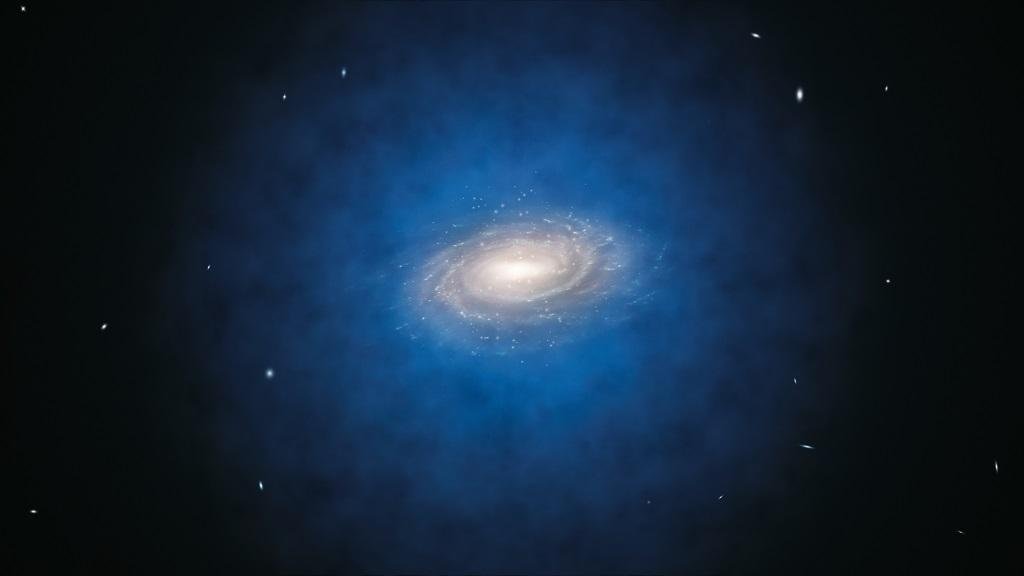
Another 27 per cent is dark matter whose existence was inferred from the observation that ordinary matter in galaxies, including the Milky Way, is far less than that required by gravity to hold the galaxies together. Dark matter’s gravitational effects are also necessary to explain the motions of clusters of galaxies and the structure of the entire Universe at the largest scale.

On smaller scales, dark matter is too diffused to impact the motion of the Solar System, Earth or the origin and evolution of humans in any significant way. “The inhomogeneities at early times would have been smoothened out by radiations if there was only ordinary matter. There needs to be a form of matter that does not couple to the radiation in order for galaxies like the Milky Way to form,” says Abraham Loeb, chair of the department of astronomy at Harvard University and the founding director of Harvard’s Black Hole Initiative. “Secondly, when we look at galaxies, we infer that they must contain much more mass than the visible mass of their gas and stars.

This has been known for 70 years since Fritz Zwicky inferred that clusters of galaxies contain much more matter than their visible mass,” But the nature of that dark matter is still unclear. It is most likely made of particles that do not couple to light because of which humans cannot see them, according to Loeb.

He surmised that dark matter is unlikely to be made of primordial black holes because they would produce other effects that are ruled out observationally. The breakthrough in human understanding of dark matter could come from laboratory experiments. There were hopes that new particles will be produced and discovered at the Large Hadron Collider or other experiments but so far we have had no success.

There were also attempts to detect dark matter particles impinging on Earth from the Milky Way galaxy but again these “direct detection” experiments of the past few decades were not successful, While there is no comprehensive theory of quantum gravity, Calmet and Kuipers predicted that it would have a few characteristics of both quantum physics and general relativity. They further said that dark matter particles would have to obey these rules coming out of quantum gravity in the way they break down or interact.

Through this, they established limits on the masses for dark matter particles and ruled out masses that would not be possible as per current human understanding of the two theories. The restriction of mass range eliminates one of the popular candidates for dark matter particles known as Weakly Interacting Massive Particles (WIMP).

If these particles are eventually found out to be the dark matter by other means then it would bring in the influence of the mysterious new force on these WIMPs leading to new physics. Posted by Technical Mechzone