

My Latest Posts
Visit here for more blogs: I apologize for the confusion, but as an AI language model, I don’t have browsing capabilities to visit external websites. Therefore, I won’t be able to visit your blog or any specific website.
However, if you have any specific questions or need assistance with any blogging-related topic, feel free to ask, and I’ll do my best to provide guidance or suggestions based on my knowledge and expertise.
- Bitcoin Review: The Revolutionary Digital Currency

Introduction:
Bitcoin, the first decentralized cryptocurrency, has transformed the way we think about money. Launched in 2009 by an anonymous figure known as Satoshi Nakamoto, Bitcoin has grown into a global phenomenon. With its unique features and underlying technology—blockchain—Bitcoin has reshaped the financial landscape and sparked the creation of thousands of other cryptocurrencies. In this post, we’ll dive into a detailed review of Bitcoin and its impact on the world.What is Bitcoin?
Bitcoin is a digital currency, also known as a cryptocurrency, that operates on a peer-to-peer network. Unlike traditional currencies, Bitcoin isn’t issued or controlled by any government or central bank. Instead, it’s managed through a decentralized network of computers that validate transactions via blockchain technology.How Does Bitcoin Work?
Bitcoin transactions are secured and verified through cryptography. When someone sends Bitcoin to another user, the transaction is recorded in a public ledger known as the **blockchain**. The blockchain is decentralized, meaning it is not controlled by any one entity, ensuring transparency and security. Transactions are verified by miners, who use computational power to solve complex mathematical puzzles. In return for their efforts, miners are rewarded with newly minted Bitcoins.Advantages of Bitcoin:
Decentralization: Bitcoin operates without a central authority, making it immune to government interference.
Security: The use of blockchain and cryptography makes Bitcoin transactions highly secure.
Limited Supply: Bitcoin has a fixed supply of 21 million coins, making it immune to inflation.
Global Transactions: Bitcoin allows for fast and low-cost international transactions without the need for intermediaries like banks.Challenges of Bitcoin:
**Price Volatility:** Bitcoin’s value can fluctuate dramatically, making it risky for investors.
**Regulatory Uncertainty:** Governments around the world are still figuring out how to regulate cryptocurrencies.
**Scalability Issues:** Bitcoin’s transaction speed and network capacity are limited, causing delays and higher fees during periods of high demand.Bitcoin’s Impact on the Financial World:
Bitcoin has paved the way for decentralized finance (DeFi) and has inspired the creation of many other cryptocurrencies. It challenges traditional financial systems by offering an alternative to centralized banking. Bitcoin is also being adopted by businesses for payments, and some even consider it a “store of value” akin to gold.Conclusion:
Bitcoin is a revolutionary financial asset with the potential to disrupt traditional systems. While it offers many benefits, such as decentralization and security, it also faces challenges like volatility and scalability issues. As Bitcoin continues to evolve, its influence on global finance will only grow, with its impact already being felt worldwide.
- Here’s a step-by-step Bitcoin review for today:

*Step 1: Current Price*
Bitcoin is currently trading at $58,075.65.
*Step 2: Price Change*
The price has increased by 0.98% from yesterday.
*Step 3: Market Capitalization*
Bitcoin’s market capitalization is $1.15 trillion.
*Step 4: 24-hour Trading Volume*
The 24-hour trading volume is $33.72 billion.
*Step 5: Circulating Supply*
The circulating supply of Bitcoin is 19.75 million.
*Step 6: Total Supply*
The total supply of Bitcoin is 19.75 million.
*Step 7: Maximum Supply*
The maximum supply of Bitcoin is 21 million.
*Step 8: Recent News*
– Coinbase launches Coinbase Wrapped Bitcoin (cbBTC), a 1:1 Bitcoin-backed, Ethereum-based token.
– Bitcoin miners dump $1.71 billion in Bitcoin over the past three days, sparking concerns about the recent rally.
Please let me know if you’d like me to expand on any of these points! - From September 7 to September 8, 2024, Bitcoin has faced significant market volatility, with several key trends emerging

1.September Slump: Historically, September tends to be a difficult month for Bitcoin, with the cryptocurrency often seeing price declines. Bitcoin typically experiences an average drop of 6.56% during September, and this year is following a similar trend. The price has fluctuated between $49,000 and $66,000, but many investors remain cautious as the coin has already dropped by 7.5% last week.
2.Market Sentiment: Despite these declines, some indicators, like the Puell Multiple, suggest that Bitcoin might be approaching a favorable buy zone, offering potential for a price rebound. This indicator is closely watched by investors who believe it could signal a good time to accumulate Bitcoin at lower prices.
3.Federal Reserve’s Impact: A possible interest rate cut by the U.S. Federal Reserve is adding uncertainty to Bitcoin’s future performance. While rate cuts could weaken the U.S. dollar and increase Bitcoin’s appeal as a store of value, analysts predict that Bitcoin could face further volatility, potentially dropping to $55,000 or even $45,000 if macroeconomic conditions worsen.
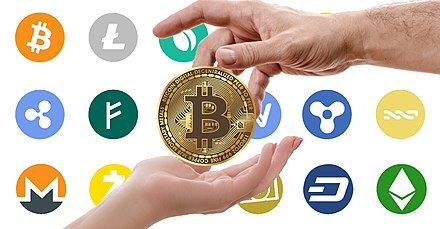
In the coming weeks, investors will closely watch for any macroeconomic shifts and their impact on Bitcoin’s price. Historically, after a September slump, October tends to offer better returns, with an average increase of 22%.
- Bitcoin’s Journey: From 2009 to 2024 – Key Milestones and Future Outlook”

Here is a step-by-step history of **Bitcoin** from its inception in **2009** up to **September 2024 1. 2008 – The Idea
– In **October 2008**, a whitepaper titled “Bitcoin: A Peer-to-Peer Electronic Cash System” was published by an unknown person or group using the pseudonym **Satoshi Nakamoto**.
– The goal was to create a decentralized digital currency, free from government control, relying on **blockchain technology** to secure transactions.2. 2009 – Bitcoin Launches
– In **January 2009**, the **Bitcoin network** was launched. The first block, known as the **Genesis Block**, was mined by Nakamoto.
– Bitcoin had no initial market value; it was mainly traded among cryptography enthusiasts.3. 2010 – First Real-World Transaction
– In **May 2010**, the first known Bitcoin transaction for real-world goods took place when **Laszlo Hanyecz** bought two pizzas for **10,000 BTC**. This day is now celebrated as **Bitcoin Pizza Day**.
– By the end of 2010, Bitcoin’s value had risen to **$0.08 per BTC**.
4. 2011 – Reaching Parity with USD
– In **2011**, Bitcoin reached parity with the **U.S. dollar** for the first time. It started gaining more attention, especially in tech circles.
– Other cryptocurrencies like **Litecoin** and **Ethereum** began emerging as Bitcoin alternatives (altcoins).5. 2013 – Early Bull Run
**2013** saw Bitcoin’s first major price surge. It went from **$13** in January to over **$1,000** by December. The rise was partly due to growing interest from investors and media.
– This year also marked the fall of **Mt. Gox**, a large Bitcoin exchange, after it lost 850,000 BTC in a hack.6. 2017 – Historic Bull Run
– Bitcoin reached new heights in **2017**, hitting an all-time high of **$20,000** in December.
– Factors driving this were increased retail and institutional interest, Initial Coin Offerings (ICOs), and Bitcoin’s growing mainstream recognition.7. 2018 – Bear Market
After the 2017 bull run, **2018** saw Bitcoin’s price crash, dropping to **$3,200** by December.
– This was due to market corrections, regulatory scrutiny, and the bursting of the ICO bubble.
8. 2020-2021 – Institutional Adoption
**2020** was a landmark year with institutional adoption picking up pace. Companies like **MicroStrategy** and **Tesla** started buying Bitcoin as a hedge against inflation.
– Bitcoin’s price soared in **2021**, reaching a new all-time high of **$64,000** in April 2021, driven by the broader economic response to the COVID-19 pandemic and increasing demand.
9. 2022 – Market Downturn
– Bitcoin, along with other cryptocurrencies, entered a **bear market** in **2022** due to global economic uncertainty, rising inflation, and interest rate hikes by central banks.
– Bitcoin’s price dropped to around **$17,000** by the end of 2022.
10. 2023 – Recovery and Halving Anticipation**
– Bitcoin began a gradual recovery in **2023**, largely due to anticipation of the upcoming **2024 halving**, an event that halves the reward miners receive for adding new blocks to the Bitcoin blockchain.
– By the middle of 2023, Bitcoin’s price had recovered to around **$30,00011. 2024 – New All-Time Highs
– In **March 2024**, Bitcoin hit a new all-time high of **$73,737** as enthusiasm for the 2024 halving event surged.
– By **September 2024**, Bitcoin’s price had corrected to around **$56,000**. Analysts predict two scenarios for the rest of the month: either a bullish rally up to **$68,000**, or a potential dip to **$50,000** before a recovery .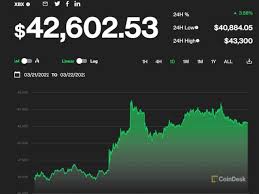
Summary
Bitcoin has evolved from a niche digital currency to a mainstream financial asset. It has undergone several bull and bear cycles, driven by factors such as technological advancements, regulatory shifts, market sentiment, and macroeconomic trends. With its **2024 halving** on the horizon, Bitcoin continues to draw attention from investors and institutions worldwide.https://www.instagram.com/raj78verma?igsh=MWRqMDNtNDNna3BuOA==
- NSE vs. BSE: Differences
The NSE (National Stock Exchange) and BSE (Bombay Stock Exchange) are the two primary stock exchanges in India. While both exchanges facilitate the buying and selling of stocks, there are a few key differences between them:

Establishment: The BSE was established in 1875, making it the oldest stock exchange in Asia. The NSE, on the other hand, was founded in 1992.
Ownership and Governance: The BSE is a corporatized and demutualized exchange, meaning it is owned by corporate entities. The NSE, on the other hand, is also a corporatized exchange, but it is owned by a set of financial institutions, including banks, insurance companies, and other financial intermediaries.
Trading Platform: The NSE introduced an electronic trading system known as the National Exchange for Automated Trading (NEAT), which revolutionized trading in India. The BSE initially used an open outcry system, but it has now shifted to an electronic trading platform called the BSE Bolt.
Market Indices: The NSE’s flagship index is the Nifty 50, which consists of the top 50 actively traded stocks on the exchange. The BSE’s main index is the Sensex, which comprises the 30 largest and most actively traded stocks on the BSE.
Market Share: The NSE has a larger market share and trading volume compared to the BSE. It is considered the more dominant exchange in terms of overall trading activity.
Listing Requirements: Both exchanges have similar listing requirements, including minimum capitalization, profitability, and track record criteria. However, the BSE has traditionally been more lenient in its listing norms compared to the NSE.
Global Visibility: The NSE has gained more international recognition and visibility, attracting foreign institutional investors and participating in various global indices. It is often seen as the face of Indian capital markets globally.
Despite these differences, both the NSE and BSE are regulated by the Securities and Exchange Board of India (SEBI), and they play crucial roles in facilitating trading, price discovery, and capital formation in India’s stock market. - Options Trading Guide
Options trading is a popular and advanced trading strategy that involves buying and selling options contracts. Options give traders the right, but not the obligation, to buy or sell an underlying asset at a predetermined price (the strike price) within a specified time frame (until the expiration date). Here’s a step-by-step guide to help you understand how to engage in options trading

Educate Yourself: Options trading can be complex, so it’s essential to have a solid understanding of the concept. Study educational resources, books, online courses, and tutorials to learn about the basics of options trading, including terminology, strategies, and risk management.
Choose a Brokerage: Select a reputable brokerage that offers options trading services. Ensure they have a user-friendly platform, competitive commissions, reliable execution, and access to the options market. Popular options brokers include TD Ameritrade, E*TRADE, Interactive Brokers, and Robinhood.
Open an Account: Follow the procedures outlined by your chosen brokerage to open an options trading account. This typically involves providing personal information, completing application forms, and adhering to any specific requirements or financial qualifications.
Understand Option Contracts: Familiarize yourself with the components of an options contract. Each contract represents a specific number of shares of the underlying asset. There are two types of options: calls (the right to buy) and puts (the right to sell).
Define Your Options Strategy: Determine your trading objectives and select an options strategy that aligns with your goals. Common strategies include buying calls or puts, selling covered calls or puts, and more advanced strategies like spreads, straddles, and iron condors. Each strategy has its own risk and reward profile.
Analyze the Underlying Asset: Conduct thorough research on the underlying asset (stocks, indices, commodities, etc.) to assess its potential price movement, volatility, and market conditions. Fundamental and technical analysis can help you make informed trading decisions.
Execute Trades: Once you’ve identified a suitable options trade, use your broker’s trading platform to execute the trade. Specify the option contract, strike price, expiration date, and the number of contracts you wish to buy or sell. Review and confirm the order before finalizing it.
Monitor Your Positions: Keep a close eye on your options positions, as their values can fluctuate based on market conditions. Track changes in the underlying asset’s price, volatility, and any news or events that may impact your trades. Consider implementing stop-loss orders to manage risk.
Close or Adjust Positions: You can close your options positions before expiration by executing a closing trade, which involves buying or selling the same options contract you initially traded. Alternatively, you can adjust your positions by rolling, hedging, or employing other options strategies.
Manage Risk: Options trading involves inherent risks, and it’s crucial to manage them effectively. Set a risk tolerance, diversify your trades, and avoid investing more than you can afford to lose. Consider using risk management tools like stop-loss orders and position sizing techniques.
Remember, options trading involves substantial risk, and it’s advisable to start with a small amount of capital or practice with virtual trading accounts before committing real funds. Additionally, consult with a financial advisor or an experienced options trader to gain further insights and guidance. - Goal Targeting Steps
To effectively target and achieve your goals, you can follow these steps:

Define your goals: Clearly identify and articulate what you want to accomplish. Make sure your goals are specific, measurable, achievable, relevant, and time-bound (SMART goals).
Break it down: Divide your goals into smaller, manageable tasks or milestones. This breakdown helps you understand the steps required and allows for a sense of progress along the way.
Prioritize: Determine which goals are most important and prioritize them accordingly. Consider the potential impact, urgency, and alignment with your long-term objectives.
Create an action plan: Develop a detailed plan that outlines the specific actions you need to take to achieve each goal. Break down the tasks further, set deadlines, and allocate resources.
Stay focused: Maintain your focus on the goals you have set. Avoid getting distracted by unrelated tasks or new opportunities that may arise. Regularly review your progress and make adjustments as needed.
Track your progress: Monitor your progress by tracking key metrics or milestones. This will help you stay motivated, identify potential obstacles, and make any necessary adjustments to your approach.
Seek support: Don’t hesitate to seek support from others. This can include seeking advice from mentors, collaborating with colleagues, or delegating tasks to a team. Surround yourself with people who can provide guidance, encouragement, and accountability.
Stay motivated: Keep your motivation levels high by reminding yourself of the reasons why you set these goals in the first place. Celebrate your achievements along the way, no matter how small, to maintain momentum and a positive mindset.
Adapt and persevere: Be prepared to adapt your plans as circumstances change or new information arises. Sometimes you may face obstacles or setbacks, but it’s important to persevere and find alternative approaches or solutions.
Review and learn: Once you achieve your goals or complete a significant milestone, take the time to review your journey. Reflect on what worked well, what didn’t, and the lessons you learned. Apply these insights to future goal-setting processes.
Remember, effective goal targeting requires consistency, discipline, and a proactive mindset. Stay committed to the process and adjust your approach as needed to increase your chances of success. - Best Trading Platforms
There are several trading platforms available, and the best one for you will depend on your specific needs and preferences. Here are some popular trading platforms:

eToro: Known for its social trading features, eToro allows users to follow and copy the trades of successful traders. It offers a wide range of assets and a user-friendly interface.
TD Ameritrade: A well-established platform in the United States, TD Ameritrade provides a comprehensive trading experience with a variety of investment options, educational resources, and advanced trading tools.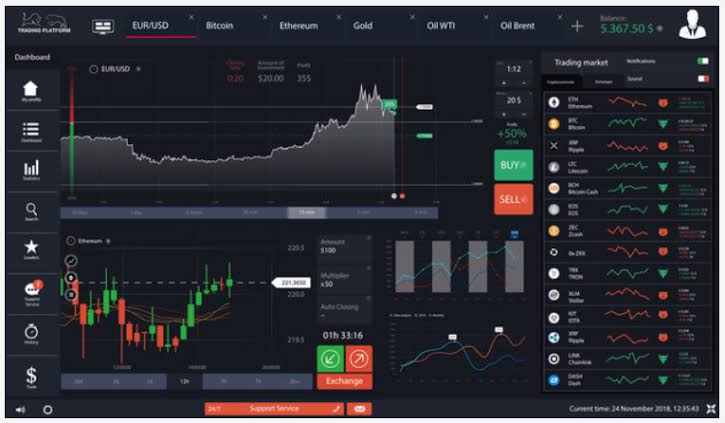
Interactive Brokers: This platform is popular among active traders due to its low-cost trades and extensive range of investment options, including stocks, options, futures, and more. It offers powerful trading tools and research capabilities.
Robinhood: Robinhood gained popularity for its commission-free trading model and user-friendly mobile app. It primarily focuses on stock trading and offers a simplified trading experience.
Fidelity: Fidelity is a reputable brokerage firm that provides a wide range of investment products, including stocks, ETFs, mutual funds, and more. It offers a user-friendly platform with robust research and educational resources.
Charles Schwab: Known for its strong customer service and comprehensive investment offerings, Charles Schwab provides access to stocks, bonds, ETFs, options, and more. It offers intuitive trading platforms and a wide range of educational materials.
Coinbase: If you are interested in cryptocurrency trading, Coinbase is a well-known platform that allows you to buy, sell, and store various cryptocurrencies. It offers a user-friendly interface and a high level of security.
It’s important to conduct thorough research and consider factors such as fees, available assets, trading tools, security measures, and customer support when selecting a trading platform. Additionally, regulations and availability may vary depending on your country of residence. - Investing Money Wisely
Investing money in the right way involves careful consideration and planning. Here are some general steps to help you get started:

1.Set clear financial goals: Define your investment objectives. Are you looking for long-term growth, income generation, or a combination of both? Understanding your goals will help you determine the appropriate investment strategy.
2.Educate yourself: Learn about different investment options and understand the associated risks and potential returns. Read books, articles, and reputable websites about investing. Consider attending investment seminars or workshops to enhance your knowledge.
3.Assess your risk tolerance: Determine your comfort level with risk. Investments come with varying levels of risk, and it’s important to choose investments that align with your risk tolerance. Generally, higher-risk investments offer greater potential returns but also carry a higher chance of losses.
4.Diversify your portfolio: Don’t put all your eggs in one basket. Diversification is key to reducing risk. Allocate your investments across different asset classes such as stocks, bonds, real estate, and commodities. Within each asset class, diversify further by investing in different industries or regions.
5.Create a budget and save: Before investing, make sure you have a solid financial foundation. Create a budget to manage your expenses and save a portion of your income regularly. Building an emergency fund is also important to handle unexpected expenses without disrupting your investment strategy.
Consider how long you are willing to keep your money invested. Short-term goals, such as saving for a vacation, may require more conservative investments, while long-term goals, like retirement planning, may allow for more aggressive strategies.
6.Choose the right investment account: Explore different types of investment accounts such as individual brokerage accounts, retirement accounts (e.g., 401(k) or IRA), or tax-advantaged accounts (e.g., Health Savings Account or 529 plan). Each account type has its own tax implications and restrictions, so choose the one that suits your needs.
7.Start with low-cost investments: Minimize investment costs by choosing low-cost options such as index funds or exchange-traded funds (ETFs) that track broad market indexes. These options often have lower fees compared to actively managed funds.
8.Monitor and review your investments: Regularly review your investment portfolio to ensure it aligns with your goals. Rebalance your portfolio if necessary to maintain the desired asset allocation. Stay informed about market trends and economic developments that may affect your investments.
9.Seek professional advice if needed: Consider consulting with a financial advisor or investment professional, especially if you have a significant amount of money to invest or if you need assistance with complex investment strategies. They can provide personalized guidance based on your financial situation and goals.
Remember, investing involves risk, and no strategy can guarantee profits or protect against losses. It’s essential to do your own research, stay informed, and make informed decisions based on your individual circumstances. - Morning Benefits of Walking
Walking early in the morning can have numerous benefits for your physical and mental well-being. Here are some advantages of walking in the morning:

1.Fresh air and peaceful environment: Early mornings often offer cleaner air and less noise pollution compared to later in the day. Taking a walk during this time allows you to breathe in fresh air and enjoy a peaceful environment, which can be refreshing and invigorating.
2.Boosts energy: Walking in the morning can help wake you up and provide an energy boost for the day ahead. It increases blood circulation, oxygenates your body, and activates your muscles, leading to improved alertness and productivity.
3.Enhances mood and mental clarity: Walking releases endorphins, which are natural mood-boosting hormones. Starting your day with a brisk walk can help reduce stress, anxiety, and depression while improving mental clarity and focus.
4.Weight management: Walking is a low-impact exercise that can aid in weight management. By engaging in a morning walk, you kickstart your metabolism, burn calories, and set a positive tone for the rest of the day in terms of making healthier choices.
5.Improved cardiovascular health: Regular walking can help strengthen your heart, lower blood pressure, and reduce the risk of cardiovascular diseases. By incorporating a morning walk into your routine, you can improve your overall cardiovascular health.
5.Better sleep: Morning walks can help regulate your body’s internal clock and improve sleep patterns. Exposure to natural light early in the day helps regulate your circadian rhythm, making it easier to fall asleep and wake up at the desired times.
6.Increased creativity: Walking has been shown to stimulate creativity and enhance cognitive function. By taking a walk in the morning, you can start your day with a fresh perspective, allowing your mind to wander and generate new ideas.
Remember to wear comfortable shoes, stay hydrated, and consider your physical limitations or any medical conditions before engaging in any exercise routine. - Becoming a Rich Person
Becoming rich is a goal many people aspire to achieve. While there is no guaranteed formula for becoming rich, there are certain strategies and principles that can increase your chances of attaining financial success. Here are some steps you can consider:

1.Set clear financial goals: Define your financial objectives and create a plan to achieve them. Setting specific, measurable, achievable, relevant, and time-bound (SMART) goals will provide you with a roadmap to follow.
2.Develop a strong work ethic: Hard work and dedication are often key ingredients for success. Invest your time and effort into developing valuable skills and expertise in your chosen field. Be willing to go the extra mile and take on new challenges.
3.Educate yourself: Continuously seek knowledge and improve your skills. Stay updated with industry trends, market conditions, and investment opportunities. Consider pursuing higher education, attending workshops, or seeking mentorship to enhance your understanding of finance and business.

4.Save and invest wisely: Practice disciplined saving and make sound investment decisions. Create a budget to track your expenses, reduce unnecessary spending, and allocate a portion of your income toward savings and investments. Diversify your investments to spread risk and consider consulting with a financial advisor for guidance.
5.Start a business or pursue entrepreneurship: Creating your own business can offer significant wealth-building opportunities. Identify a market need, develop a solid business plan, and be prepared to take calculated risks. Entrepreneurship often requires resilience, innovation, and the ability to adapt to changing circumstances.
6.Leverage the power of compounding: Invest early and consistently. Take advantage of compounding returns, where your investment gains generate additional returns over time. By starting early and staying invested, you can benefit from the exponential growth potential of compounding.

7.Network and build relationships: Surround yourself with successful and like-minded individuals. Attend industry events, join professional associations, and actively network with people who can provide guidance, mentorship, or potential business opportunities.
8.Embrace financial discipline: Cultivate good financial habits, such as avoiding unnecessary debt, paying bills on time, and maintaining a healthy credit score. Develop a long-term perspective and resist the temptation of short-term gratification.

9.Stay focused and persevere: Building wealth takes time, effort, and patience. Be prepared to face setbacks and challenges along the way. Stay focused on your goals and maintain a positive mindset, even during difficult times.
10.Give back and practice gratitude: Once you achieve financial success, consider giving back to society and supporting causes that are important to you. Cultivating gratitude for what you have can bring greater satisfaction and fulfillment in life.
Remember, financial success is subjective, and it’s essential to define what wealth means to you personally. While these steps can provide a general framework, adapt them to your circumstances and values. It’s also crucial to prioritize your overall well-being and maintain a healthy work-life balance throughout your journey to financial success.
- Starting Business: Steps & Tips
Starting your own business can be an exciting and rewarding venture. Here are some steps to help you get started:
1.Define Your Business Idea: Identify your passion, interests, and skills. Determine what products or services you want to offer and assess their market demand and viability. Conduct market research to understand your target audience, competitors, and industry trends.

2.Create a Business Plan: Outline your business goals, strategies, and financial projections in a comprehensive business plan. It will serve as a roadmap for your venture and help you secure funding, if needed. Include sections such as executive summary, company description, market analysis, organization and management structure, product/service line, marketing and sales strategy, and financial projections.
3.Secure Funding: Assess your financial needs and explore different options to fund your business. This could include personal savings, loans from banks or credit unions, investments from family and friends, or seeking venture capital. Consider creating a budget to estimate your startup and operational costs.

4.Choose a Legal Structure: Decide on the legal structure that suits your business, such as a sole proprietorship, partnership, limited liability company (LLC), or corporation. Research the legal and tax implications of each structure and consult with a lawyer or accountant to make an informed decision.
5.Register Your Business: Choose a unique business name and register it with the appropriate government authorities. Obtain the necessary permits, licenses, and certifications required to operate legally. Consider trademarking your brand name or logo to protect your intellectual property.

6.Set Up Your Operations: Determine the location for your business and set up the necessary infrastructure, such as office space, equipment, and technology. Establish your supply chain and vendor relationships, if applicable. Consider hiring employees or outsourcing tasks as needed.
7.Develop a Marketing Strategy: Identify your target audience and develop a marketing plan to reach them effectively. Build a brand identity, create a website, and establish your online presence through social media platforms. Utilize various marketing channels, such as advertising, content marketing, search engine optimization (SEO), and networking to promote your business.

8.Launch Your Business: Execute your business plan and launch your products or services. Monitor your operations closely and make adjustments as necessary. Seek customer feedback and strive for continuous improvement.
Remember, starting a business requires hard work, perseverance, and flexibility. Seek guidance from mentors, industry experts, and professional advisors to increase your chances of success.
- Power of Money
Money is a powerful tool that holds significant influence in various aspects of life. Here are some ways in which money holds power

1.Economic Power: Money has the ability to control and shape economies. Those with wealth can invest, start businesses, and influence market trends. They have the power to create jobs, drive innovation, and determine the allocation of resources.
2.Social Power: Money often translates into social power, as individuals with wealth can gain access to exclusive networks, social circles, and opportunities. They can use their financial resources to establish connections, influence decision-making, and gain social status.
3.Political Power: Money plays a crucial role in politics. Wealthy individuals and corporations can make significant political donations, fund campaigns, and lobby for their interests. This financial influence can shape policies, legislation, and even the outcomes of elections.

4.Freedom and Choices: Money provides individuals with freedom and choices. It enables access to better education, healthcare, housing, and lifestyle options. Financial resources can offer opportunities for personal growth, self-improvement, and the pursuit of one’s passions.

5.Philanthropic Power: Wealthy individuals and organizations have the ability to make substantial charitable donations and support causes they believe in. Their financial contributions can drive social change, fund research and development, and address pressing societal issues.
It is important to note that while money holds significant power, it does not guarantee happiness, fulfillment, or personal relationships. The impact and influence of money can vary depending on how it is acquired, utilized, and shared within a society.
- God and Nature Connection
The concept of God varies across different religions and belief systems, and individuals may have different interpretations of who or what God is. In monotheistic religions such as Christianity, Islam, and Judaism, God is typically considered the supreme being, the creator and sustainer of the universe, and the source of moral authority.

Regarding the connection between God and nature, various perspectives exist. Some religious traditions view nature as a creation of God, reflecting His wisdom, beauty, and power. They believe that observing and appreciating nature can lead to a deeper understanding and reverence for God. Nature is often seen as a manifestation of God’s presence and an expression of His divine attributes.

Regarding the connection between God and nature, various perspectives exist. Some religious traditions view nature as a creation of God, reflecting His wisdom, beauty, and power. They believe that observing and appreciating nature can lead to a deeper understanding and reverence for God. Nature is often seen as a manifestation of God’s presence and an expression of His divine attributes.

In pantheistic beliefs, God and nature are considered synonymous or inseparable. They view God as the entirety of the universe, and nature is seen as a divine entity or expression of God. In this worldview, everything in nature is interconnected and part of the divine essence.

Different philosophical and theological perspectives offer diverse interpretations of the connection between God and nature. Some see nature as a reflection of God’s order and design, while others emphasize the transcendence of God beyond the physical world. Ultimately, how one perceives and understands the relationship between God and nature depends on their personal beliefs, religious background, and worldview.
- Self-Control Mastery
Controlling oneself, also known as self-control or self-discipline, is a valuable skill that can help you achieve personal and professional success. Here are some strategies to help you enhance self-control

1.Set Clear Goals: Define what you want to achieve and set specific, measurable, achievable, relevant, and time-bound (SMART) goals. Clarity about your objectives will help you stay focused and make it easier to exercise self-control.
2.Prioritize and Manage Time: Create a schedule or to-do list that outlines your tasks and priorities. Allocate time for important activities and avoid time-wasting activities or distractions. Practicing effective time management can enhance self-control by reducing procrastination and increasing productivity.
3.Practice Mindfulness: Cultivate mindfulness through techniques like meditation or deep breathing exercises. Mindfulness helps increase self-awareness and allows you to observe your thoughts, emotions, and impulses without being controlled by them. This self-awareness can help you exercise better self-control in challenging situations

4.Develop Healthy Habits: Establishing positive habits and routines can make it easier to exercise self-control. For example, regular exercise, proper nutrition, and sufficient sleep contribute to overall well-being and can improve your ability to control impulses and make better decisions
5.Avoid Temptations and Triggers: Identify situations, environments, or triggers that may lead to impulsive behavior or distract you from your goals. Minimize your exposure to such temptations whenever possible, and develop strategies to handle them when they arise. This might involve avoiding certain environments, finding alternative activities, or seeking support from others.

6.Break Tasks into Manageable Steps: Large tasks or goals can be overwhelming and may lead to a lack of self-control. Break them down into smaller, more manageable steps, and focus on one step at a time. Celebrate your progress along the way, as small victories can boost motivation and self-control.
7.Practice Delayed Gratification: Train yourself to resist immediate gratification in favor of long-term rewards. This can be achieved by setting small goals that require delayed gratification and gradually increasing the time span. For example, instead of indulging in instant distractions, delay them until you’ve completed a task or reached a milestone.

8.Seek Support and Accountability: Surround yourself with supportive individuals who share similar goals or values. Communicate your intentions to them and ask for their support and accountability. Sharing your journey with others can help you stay motivated and strengthen your self-control.
Remember, self-control is a skill that requires practice and perseverance. Be patient with yourself, and don’t be discouraged by occasional setbacks. With time and consistent effort, you can enhance your self-control and achieve the outcomes you desire.
- Earning Money without Investment

1. Freelancing: Offer your skills and expertise in areas such as writing, graphic design, programming, social media management, virtual assistance, or tutoring. Platforms like Upwork, Freelancer, and Fiverr can help you find clients.
2.Online surveys and microtasks: Sign up for websites that offer paid surveys and microtasks. Companies are often willing to pay for your opinions or for completing small online tasks. Examples include Swagbucks, Amazon Mechanical Turk, and InboxDollars.

3.Airbnb hosting: If you have extra space in your home, consider listing it on Airbnb. Renting out a room or your entire property can generate a steady income without any upfront costs.
4.Pet sitting or dog walking: Offer pet sitting services or become a dog walker in your neighborhood. Many people require someone trustworthy to care for their pets while they’re away or busy.
5.Rent out your belongings: If you have items that are in-demand but not frequently used, consider renting them out. For example, you can rent out camera equipment, power tools, party supplies, or camping gear on platforms like Fat Llama or RentNotBuy.

6.Selling crafts or handmade products: If you enjoy creating crafts or handmade items, consider selling them online through platforms like Etsy. You can also promote your products through social media to reach a wider audience.
7.Affiliate marketing: Join affiliate programs of companies that align with your interests. Promote their products or services through your blog, social media platforms, or YouTube channel, and earn a commission for each sale made through your referral links.
Remember, while these ideas don’t require initial financial investments, they may require time, effort, and dedication to be successful. Choose something that aligns with your skills and interests, and be prepared to put in the necessary work to achieve your desired results.
- Unity Game Development Platform
1.Unity power, in the context of computer graphics and game development, refers to the use of the Unity game engine. Unity is a popular and powerful game development platform that allows developers to create interactive experiences, including games, simulations, and other applications, for various platforms such as desktop, mobile, and virtual reality.
2.Unity provides a range of features and tools that enable developers to design and build games with ease. It offers a visual editor that allows for intuitive scene and asset management, a scripting system using C# for programming logic, and a comprehensive set of built-in components and systems for physics, rendering, audio, animation, and more.
3.One of the strengths of Unity is its cross-platform support, which means developers can build a game once and deploy it on multiple platforms without significant code changes. This makes it a popular choice for indie developers, small studios, and larger game development companies.
4. Unity also has an active community and ecosystem, with a vast library of ready-to-use assets, plugins, and tutorials available, making it easier for developers to enhance their projects and learn from others.
Overall, Unity power refers to the capabilities and versatility of the Unity game engine in enabling developers to create high-quality, cross-platform games and interactive experiences efficiently.
• • •

 Technical mechzone